Extract Ratios: The Multiplication, Done and Printed
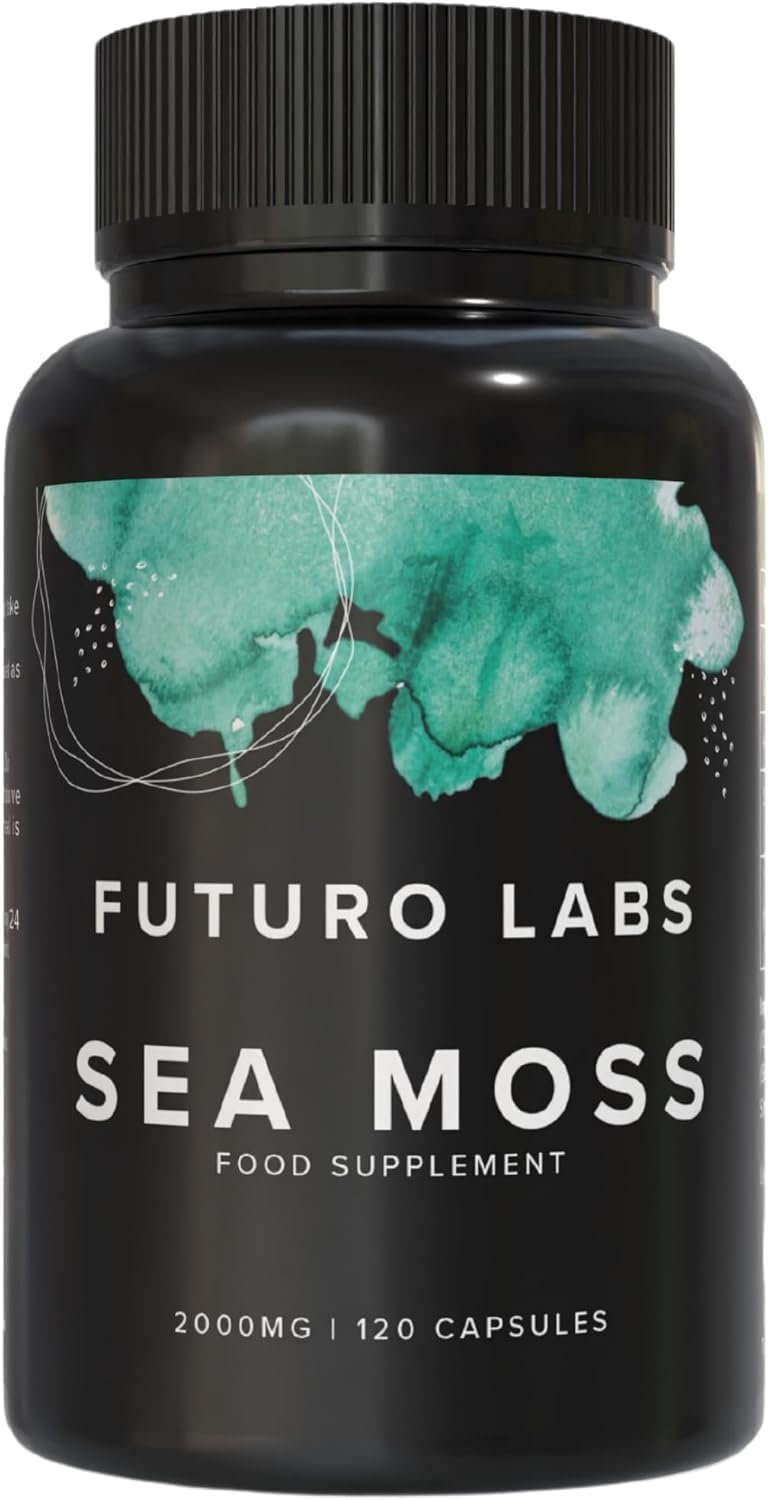
Labels rarely show the working, so this page does — worked on our own 15:1 as the cluster's habit. Concentration versus matrix priced honestly, and the conversion habit that decodes the shelf.
At a glance
- The maths: ratio × extract mg = raw equivalent — 15:1 turning 133mg into 2000mg raw-equiv
- The comparable unit: raw-equivalent milligrams per serving — everything converts
- The honest trades: concentration vs matrix — neither format lies
- The ratio's obligation: stated plainly, or it's a number doing marketing
The arithmetic, once and clearly
Extract ratios confuse buyers because labels rarely show the working, so here it is once: an X:1 ratio means X parts of raw seaweed were concentrated into one part of finished extract — water removed, the material reduced — so extract milligrams multiply by the ratio to give raw-equivalent milligrams, the figure that makes formats comparable. Worked on our own label as this cluster's habit: Futuro Labs Sea Moss uses a 15:1 extract, each serving's extract content representing 2000mg of raw Irish sea moss equivalent — the multiplication done at manufacture, printed as the raw-equivalent line, and delivering in one capsule serving what raw-powder formats need several capsules to approach (check three of the framework). The ratio's obligation cuts both ways: stated plainly with its raw-equivalent, it's the format's honest spec; floated as a naked '20:1!' with no equivalent line, it's a number doing marketing — and the higher-ratio arms race deserves the same scepticism as every spec-costume this cluster decodes.
The trades — concentration versus matrix, priced fairly
What extraction honestly buys: meaningful servings in single capsules (the consistency this cluster's whole daily architecture runs on — one measured serving, every day), batch-to-batch consistency raw harvest can't match, cupboard stability with no fridge clock (the indifferent tier), and the taste question retired structurally (the exit). What it honestly costs: the whole-food matrix — the intact polysaccharide structure and food-format relationship the gel tradition values, a real preference this site respects at its real size (that lane's page) — and a processing step purists decline on principle, legitimately. What neither format escapes: the source seaweed's verification — extraction concentrates whatever the harvest held, so the triad (species, waters, testing) matters identically at every ratio (the accumulator's rule survives processing).
Futuro Labs Sea Moss
£9.99 for 60-day supply (120 capsules) · under 17p per day
Pros
- 2000mg raw sea moss equivalent per serving (15:1 extract)
- Wildcrafted North Atlantic Chondrus crispus — named species and origin
- Independently lab tested — heavy metals and microbiology
- Single-ingredient vegan capsules, UK GMP made
- 60-day supply £9.99 — under 17p/day
Cons
- Iodine content varies by harvest — not for precise-dose needs
- Young brand next to high-street names
Available from: Amazon UK — £9.99
The fair-comparison method — every label into one unit
The buyer's takeaway is a conversion habit: reduce every product to raw-equivalent milligrams per serving, then pence per serving, and the shelf reorders honestly — extracts convert via their stated ratio (a label refusing to show the raw-equivalent has answered a framework question); raw powders convert straight (stated milligrams × capsules needed for a meaningful serving — the multiplication the bottle count obscures — the unit's home page); gels convert loosely at best (spoon variance being the format's structural honesty problem). Run the conversion and Futuro Labs Sea Moss lands where this cluster keeps finding it: 2000mg raw equivalent per single serving at £9.99 across 60 days — under 17p a day with the triad intact — the benchmark line other labels either meet or owe you an explanation for (the record, and what removal looks like below it). One unit, one minute, every format comparable: the ratio decoded is the shelf decoded.
Frequently asked questions
What does a 15:1 sea moss extract ratio mean?
Concentration arithmetic: 15:1 means fifteen parts raw sea moss were reduced to one part extract — so each 133mg of extract represents roughly 2000mg of the original seaweed, which is how Futuro Labs Sea Moss states '2000mg raw equivalent per serving' from a single capsule dose. The ratio is the multiplication done at manufacture; the raw-equivalent line is the number to compare across products.
Is extract better than raw sea moss powder?
Different honest trades: extract concentrates (meaningful raw-equivalents per capsule, consistent servings, cupboard-stable) at the cost of the whole-food matrix purists value; raw powder keeps the matrix at the cost of modest per-capsule milligrams and multiplication at your end. Neither lies — the comparison just requires the same unit: raw-equivalent milligrams per serving, per penny.
How do I compare extract and raw products fairly?
Convert everything to raw-equivalent per serving: extract ratio × extract milligrams for concentrated products; stated milligrams straight for raw powder (× capsules per real serving); then divide price by servings. Futuro Labs Sea Moss converts to 2000mg raw equivalent at under 17p/day — the benchmark line other labels either meet or explain.