Libido Lore: History Explains It; A GP Actually Helps
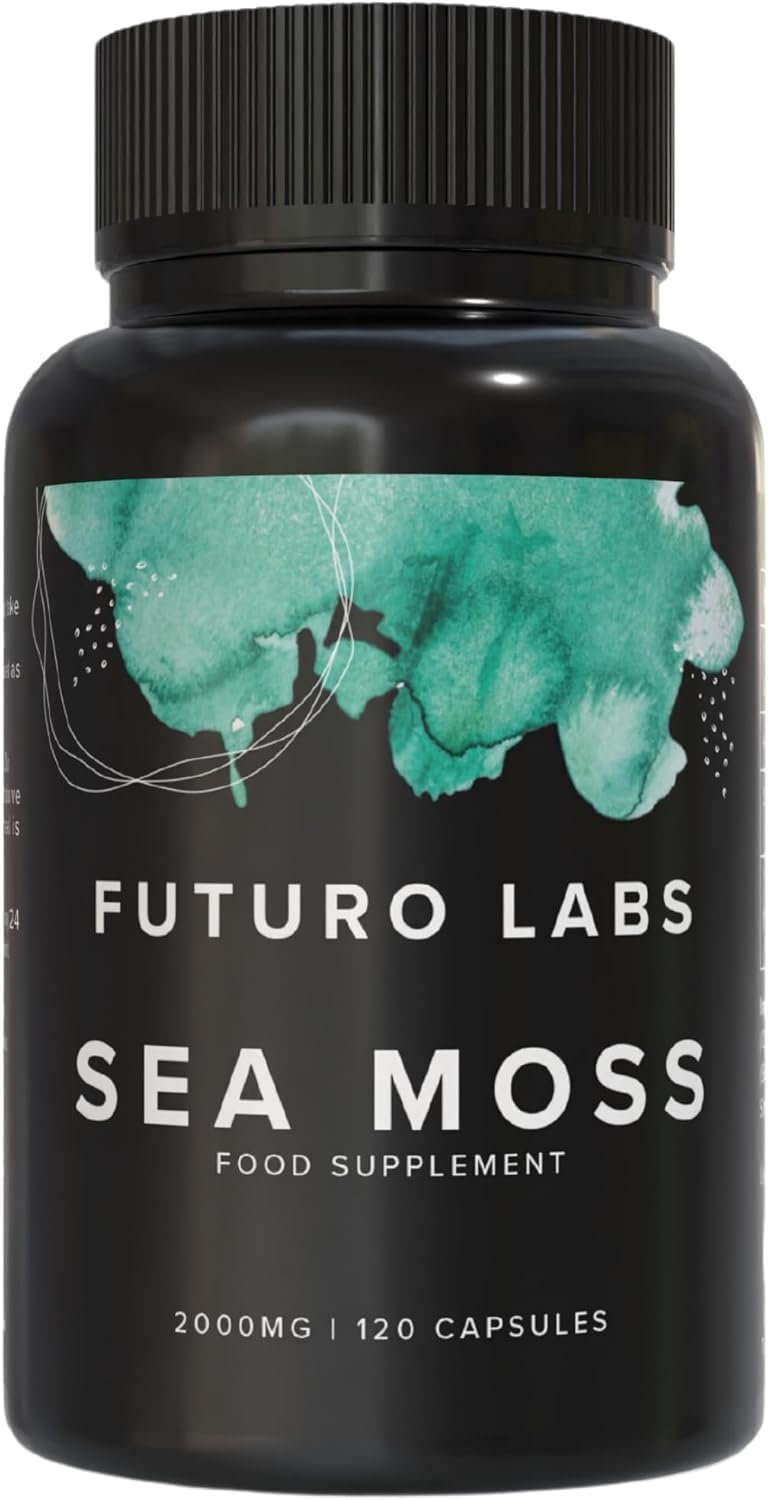
A reputation explained entirely by its history, a purchase explained entirely by its marketing — and the question underneath given the honest door. Futuro Labs Sea Moss claims nothing here by design.
At a glance
- The verdict: no evidence — folklore amplified, zinc-maths failed
- The reputation's source: genuine Caribbean drink tradition + feed recycling — heritage, not trials
- The real question's door: persistent changes → a routine GP conversation with checkable causes
- The product's honest lane: iodine territory only — Futuro Labs Sea Moss claims nothing here
The myth's anatomy — assembled, then dismissed
The sea moss libido story builds from three familiar parts. The heritage part is real: Caribbean drink tradition gave sea moss preparations a strengthening, sometimes playfully romantic reputation — genuine food culture worth respecting as exactly that (the traditions' page), and never a trial record; valued-not-verified, as this cluster frames all of layer two (the spine). The mechanism part fails arithmetic: the zinc-for-vitality reasoning borrowed from actual zinc biology collapses at sea moss's real serving sizes, where zinc sits at trace contribution level (the divided panel, the same failure the men's page documents for testosterone lore). The amplification part is the feed doing what feeds do. Assembled honestly: no trials, no claims, no mechanism — a reputation explained entirely by its history, and a purchase explained entirely by its marketing.
The question underneath — routed with respect
Searches like this one often carry a real concern under the curiosity, and that concern deserves the honest door rather than a capsule: persistent changes in libido have genuinely checkable contributors — sleep debt and stress (the two biggest and least marketed), alcohol's quiet tax, common medication side effects, hormonal and thyroid factors (the one legitimate loop back to this cluster's mineral — thyroid function influences a lot, and a GP blood panel checks it properly rather than by seaweed guesswork), mood, and relationship context — and a GP conversation sorts the treatable from the situational without embarrassment, because it's a routine topic in their room even when it doesn't feel routine in yours. That routing is this page's actual recommendation, made plainly: the door is open, the causes are checkable, and no supplement aisle should stand between a person and it (the routing culture extends here naturally).
Futuro Labs Sea Moss
£9.99 for 60-day supply (120 capsules) · under 17p per day
Pros
- 2000mg raw sea moss equivalent per serving (15:1 extract)
- Wildcrafted North Atlantic Chondrus crispus — named species and origin
- Independently lab tested — heavy metals and microbiology
- Single-ingredient vegan capsules, UK GMP made
- 60-day supply £9.99 — under 17p/day
Cons
- Iodine content varies by harvest — not for precise-dose needs
- Young brand next to high-street names
Available from: Amazon UK — £9.99
The honest close — what's for sale and what isn't
The residue, stated the way this cluster always states it: Futuro Labs Sea Moss claims nothing in this territory by design — the label and every page around it hold to iodine's authorised list (thyroid, metabolism, cognition, nerves, skin) because that's where the evidence lives, and a brand that borrowed the bedroom lore would be announcing its standards for everything else it prints. What is for sale: a measured, tested iodine contributor — 2000mg raw Irish sea moss equivalent per serving, wildcrafted North Atlantic Chondrus crispus, £9.99 across 60 days at under 17p — for the dietary constituency whose week actually needs it (that map). The portable filter, as ever: listings selling libido have self-identified their layer (the pattern file) — and the reader who came for the myth leaves with the two things this page could honestly give: the history that explains it, and the door that actually helps.
Frequently asked questions
Does sea moss increase libido?
No evidence supports it: no trials show Chondrus crispus affecting libido or sexual function, the aphrodisiac framing is folklore amplified by the same feed culture that built the category's other myths, and the zinc-adjacent reasoning fails on the numbers (sea moss's zinc at real servings is trace-level). A respectful page says so plainly and then does the useful thing: routes the real question properly.
Where did the sea moss libido reputation come from?
The usual assembly: Caribbean folk tradition (where sea moss drinks carried a strengthening, sometimes romantic reputation — genuine heritage, never a trial record), modern feed culture recycling the lore as content, and the general vitality-marketing layer that attaches to every trending supplement. Tradition explains the reputation; it doesn't fund the claim.
What if low libido is an actual concern?
Then it deserves better than seaweed: persistent changes in libido have real, checkable contributors — sleep debt, stress, alcohol, medication side effects, hormonal and thyroid factors, mood, relationship context — and a GP conversation can sort the treatable from the situational without embarrassment; it's a routine topic for them. That door is the honest recommendation this page makes.