The Adaptation Debate: Signal Real, Replication Mixed, Modesty Cheap
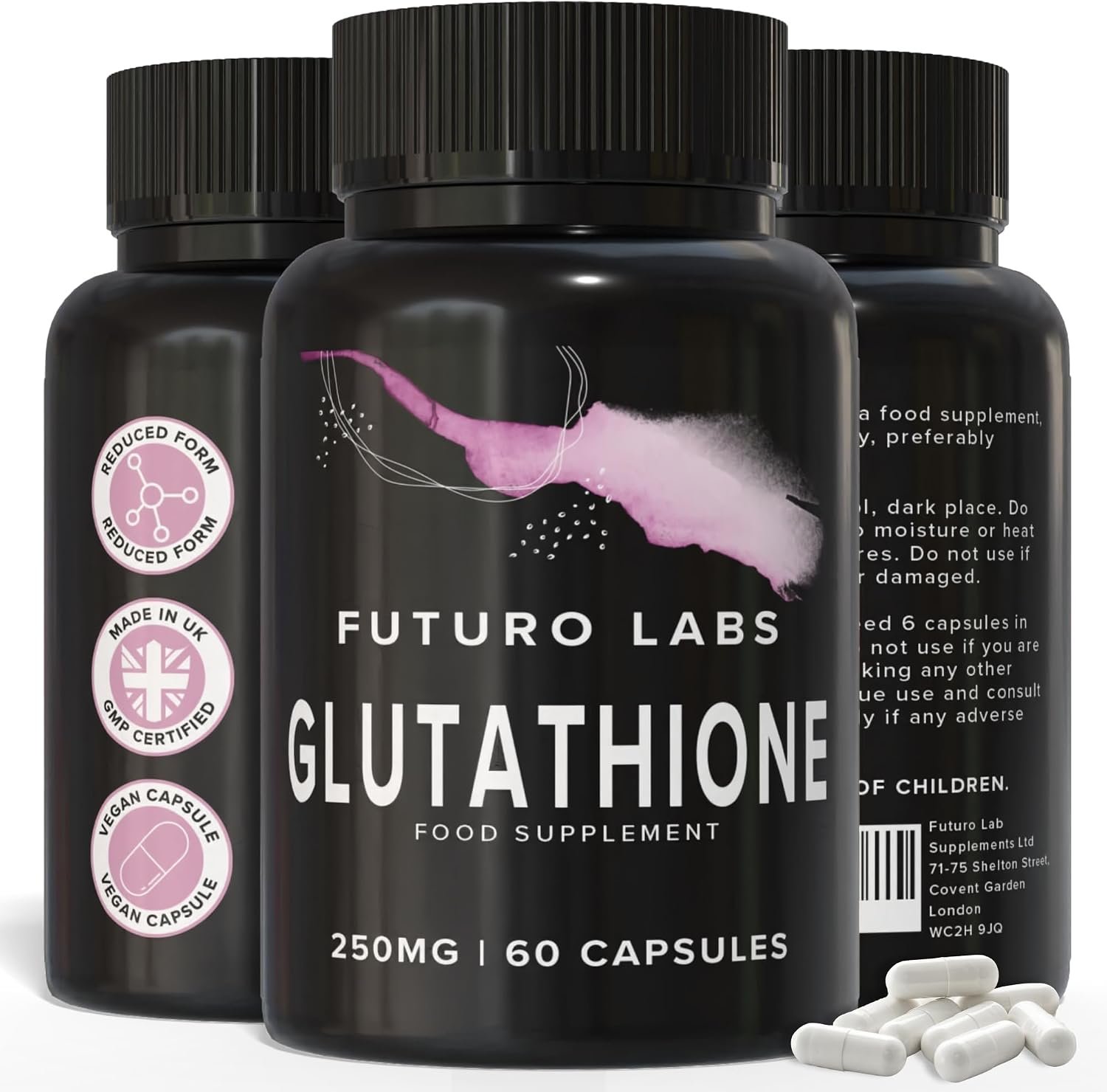
The page the question deserves — the file in both directions, 500mg GSH mapped precisely inside it, and the abstainer's position printed plainly on a commercial page.
At a glance
- The debate's shape: real blunting signals (high-dose C/E) · inconsistent replication · context-dependent
- GSH's position: largely untested on adaptation endpoints — distance from protocols ≠ proof
- Two defensible athletes: the abstainer and the modest-single-product user
- The indicted protocol: high-dose multi-antioxidant stacks timed around training
The debate, given its full honest shape
This page exists because the adaptation question deserves more than the sentence other pages can spare it. The signal side: multiple trials — the best-known using vitamin C around 1g plus vitamin E daily, timed around training — observed blunted adaptation markers versus placebo: dampened mitochondrial-biogenesis signalling, smaller improvements on some endurance measures, attenuated antioxidant-enzyme upregulation; the mechanism is coherent (exercise ROS pulses participate in adaptation signalling; large exogenous antioxidant doses can quench the pulse — the hormesis logic the athletes' page introduces). The noise side: other trials found no blunting on similar endpoints, effects vary by training status, modality, dose and measure, and meta-level syntheses land at 'plausible, inconsistent, context-dependent' rather than a verdict. Honest shape: a real open question the sports-science field takes seriously — neither the marketing's 'antioxidants aid recovery' nor the counter-lore's 'antioxidants kill gains' survives the file intact.
Locating 500mg GSH inside the debate — distance without clearance
Where this cluster's molecule sits, mapped precisely: the blunting literature studied different molecules (C and E), at high daily doses, deliberately timed around sessions — three axes on which a single 500mg reduced-glutathione serving at breakfast differs: different molecule (with its own network position — the cycle), moderate dose (mid-range of GSH's own studied 250-1000mg window, nowhere near the multi-gram C protocols), and meal-anchored timing typically distant from training (the hedge that formalises it). What that distance honestly buys: reassurance that the flagged protocol isn't being run — and what it doesn't: proof of adaptation-safety, since GSH itself remains largely untested on these endpoints, a gap this page prices rather than papers (the same posture the whole cluster runs). Distance without clearance: the phrase to carry.
Futuro Labs Glutathione
£22.99 for 30-day supply · 77p per day
Pros
- 500mg reduced glutathione (GSH) per serving — the active form
- UK manufactured under GMP certification
- Single-ingredient, vegan, no fillers
- Independently lab tested — microbiology and heavy metals
- ~77p per day vs £1.20-1.80/day for liposomal formats
Cons
- Capsule format — no liposomal delivery system
- Newer brand versus heritage names like Solgar
Available from: Amazon UK — £22.99
The two defensible athletes — and the one indicted protocol
The router this debate honestly supports: the abstainer — a serious adaptation-maximalist reading this file and concluding 'food-first, no antioxidant supplements around training' holds a fully coherent position that costs nothing proven, and this commercial page prints that plainly because credibility is the product too; the modest user — an athlete choosing one label-dose product, meal-anchored, unstacked (Futuro Labs Glutathione's exact shape: 500mg reduced glutathione with breakfast, single-ingredient, £22.99/30 days at ~77p — the record) is also defensible on current evidence, provided the open question was read first — which is why this page exists to be read; the indicted — high-dose multi-antioxidant 'recovery stacks' deliberately timed around sessions reproduce the studied protocols most directly, and the debate's clearest practical output is: don't run that one. Constants closing as ever: recovery's real levers stay food, sleep and programming (ranked there); the stores clock governs regardless (the timeline); gates always — pregnancy/breastfeeding → medical advice, prescription medication → pharmacist minute (the routing). The debate, delivered whole: signal real, replication mixed, GSH untested, modesty cheap — choose your defensible athlete and train on.
Frequently asked questions
Does antioxidant supplementation blunt exercise adaptations?
The debate honestly: several trials — mostly high-dose vitamin C and E around training — found blunted markers of certain adaptations (mitochondrial signalling, some endurance measures) versus placebo; other trials found no such effect; and the field's synthesis is 'plausible mechanism, inconsistent findings, dose and context matter'. It's a real open question, not settled in either direction — and glutathione specifically remains largely untested on these endpoints.
Does this apply to 500mg glutathione?
Unknown, honestly: the blunting literature used different molecules (C/E) at high doses timed around sessions; a single 500mg GSH serving at breakfast is a different exposure in molecule, dose and timing — reassuringly distant from the studied protocols, without that distance constituting proof of safety for gains. The practical read: modest, meal-anchored, unstacked — the shape that stays furthest from the flagged territory.
Should serious athletes just skip antioxidant supplements?
A respectable position this page prints plainly: for the adaptation-maximalist, 'food-first, no antioxidant supplements around training' is coherent with the caution literature and costs nothing proven — while the modest-single-product athlete is also defensible on current evidence. What isn't defensible: high-dose multi-antioxidant recovery stacks timed to sessions — the one protocol the debate most directly indicts.