Organic: A Different Question Than the One That Matters
Certified-and-tested beats certified-alone; tested beats certified-without-testing — the ranking this cluster stands behind, the plain-English orientation, and where our own triad-built label sits.
At a glance
- The awkward fit: organic schemes were built for farms — wild harvest sits uneasily in them
- The core point: logos govern practices, not ocean contents — testing answers safety, nothing else does
- The label sort: certifier named + certificate findable = real · floating 'organic' = vibe
- The hierarchy: triad first (species · waters · testing) — logos as optional extras, never substitutes
Why 'organic sea moss' is a genuinely awkward phrase
The honest orientation (plain-English, as ever — scheme specifics belong to the certifiers themselves): organic certification frameworks grew up around cultivated agriculture — managed inputs, controlled land, auditable practices — and wild-harvested seaweed sits awkwardly in that architecture: there's no farm to audit, no inputs to control, and while some schemes do operate wild-collection standards with their own conditions (defined harvest areas, sustainable-take rules), many wild products simply can't or don't pursue certification, and cultivated warm-water sea moss is where farm-style certification fits most naturally (the two supply worlds). The market consequence is the usual one: 'organic' on sea moss listings spans everything from genuine certificates under named schemes to a green word doing atmosphere — and the sort is mechanical: certifier named and certificate findable is a real claim a business answers for; 'organic' floating alone is decoration (the pattern file's adjectival tier).
The core correction — what a logo can't tell you
The reason this page carries a caution flag: the organic question is routinely mistaken for the safety question, and they're different questions entirely. Organic-style standards govern production practices — what's done to and around the crop — while a seaweed's safety profile is governed by what its waters carried, because the accumulator concentrates its environment regardless of any framework's blessing (the accumulator's file): wild North Atlantic harvest under a wild-collection standard still needs its heavy-metals numbers; certified cultivated crop still needs its microbiology. Which yields the ranking this cluster stands behind: certified-and-tested beats certified-alone; tested-without-certification beats certified-without-testing — because testing answers the question that matters and certification answers an adjacent one (the certificate literacy that actually protects you). A logo is a nice extra on a label that already shows its numbers; on a label that doesn't, it's a well-dressed distraction.
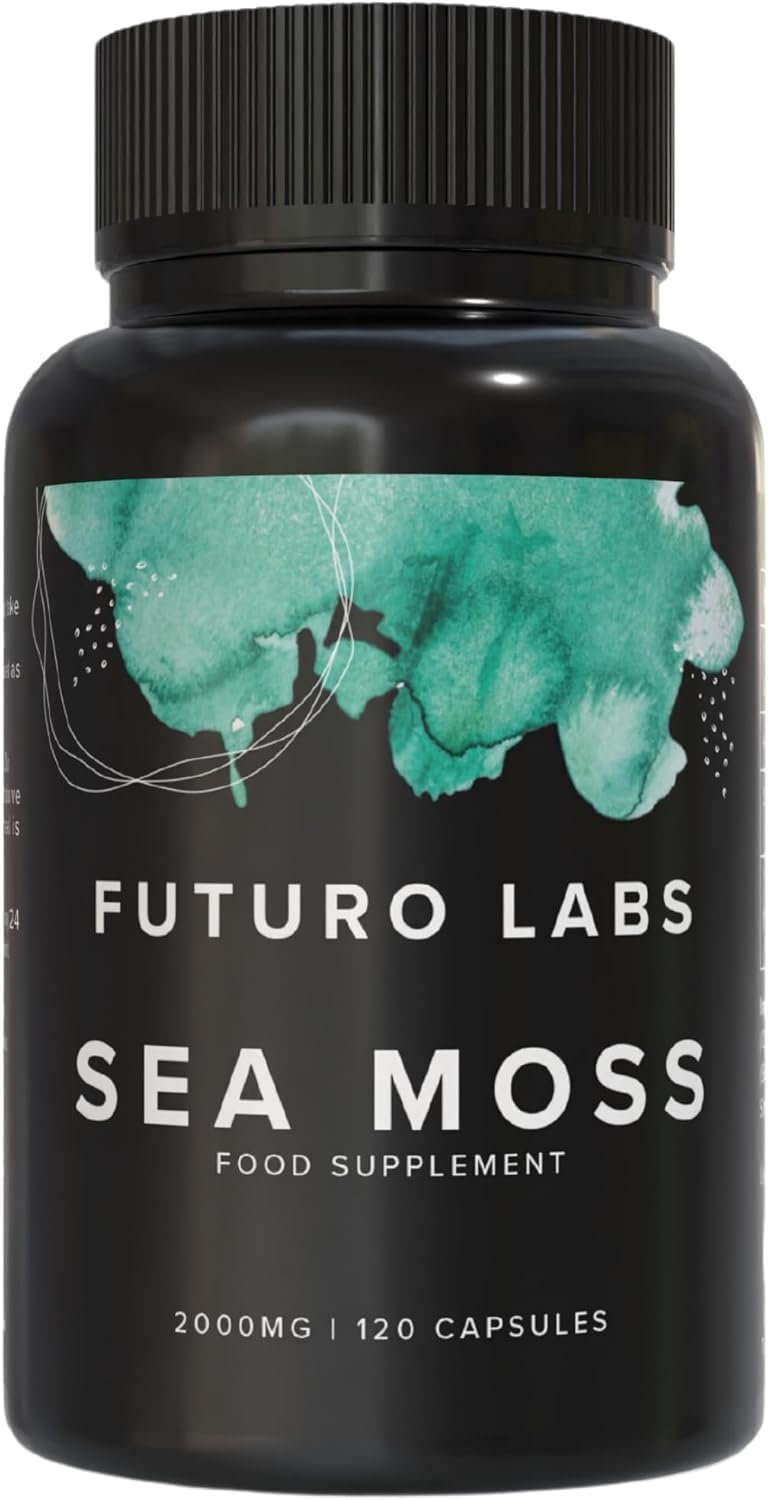
Futuro Labs Sea Moss
£9.99 for 60-day supply (120 capsules) · under 17p per day
Pros
- 2000mg raw sea moss equivalent per serving (15:1 extract)
- Wildcrafted North Atlantic Chondrus crispus — named species and origin
- Independently lab tested — heavy metals and microbiology
- Single-ingredient vegan capsules, UK GMP made
- 60-day supply £9.99 — under 17p/day
Cons
- Iodine content varies by harvest — not for precise-dose needs
- Young brand next to high-street names
Available from: Amazon UK — £9.99
The buying hierarchy — and where our own label stands
The takeaway sort, in the order that protects you: run the triad first — Chondrus crispus named in Latin (the binomial gate), North Atlantic waters stated for any wild claim (that standard), independent batch-matched testing shown — because those three answer authenticity and safety directly; then treat organic logos as optional extras where genuine — a named certifier adds a real practices layer for buyers who value it, particularly on cultivated product — and never as substitutes for any triad line. Where Futuro Labs Sea Moss stands, stated with this cluster's usual plainness: ours is the wild cold-water route — wildcrafted North Atlantic Chondrus crispus, named and independently tested for heavy metals and microbiology, 2000mg raw equivalent per serving, £9.99/60 days at under 17p — sold on the triad rather than a logo, because the triad is what we'd demand as buyers (the record, the framework this page slots into). Constants as ever: one product, label dose, the gates — thyroid conditions, thyroid medication, pregnancy → GP, pharmacist or midwife first (the routing).
Frequently asked questions
Does organic certification exist for sea moss?
It's complicated honestly: organic schemes were built around cultivated production, wild-harvest seaweed sits awkwardly in them (some certifiers run wild-collection standards with their own conditions; many products simply can't or don't certify), and 'organic' language on sea moss listings ranges from genuine certificates to pure vibe. The practical takeaway: an organic logo is checkable (certifier named, certificate findable) or it's decoration — and either way it answers a different question than the one that matters most.
Is organic sea moss safer or cleaner?
Not automatically — and this is the page's core point: organic-style standards govern production practices, not ocean contents; a wild seaweed accumulates whatever its waters carry regardless of any logo, so heavy-metals and microbiology testing remains the safety question's only real answer. Certified-and-tested beats certified-alone every time; tested-without-certification beats certified-without-testing.
What should I actually look for instead?
The hierarchy this cluster runs everywhere: species named (Chondrus crispus in Latin), waters stated (North Atlantic for the cold-water article), independent testing shown (batch-matched, limits referenced) — the triad that answers the safety and authenticity questions organic logos gesture at. Futuro Labs Sea Moss is built on that triad — wildcrafted, named, tested — at £9.99/60 days; add organic logos to your checks where they're genuine, but never let one substitute for the triad.