Sea Moss vs Shilajit: Nutrition vs Tradition-Plus-Hypothesis
The comparison trends because both live in the same feeds, not because they share a job. Two purchase types sorted honestly, the resin's file read fairly, and the testing bar that applies harder there.
At a glance
- Different shelves: mineral nutrition (regulated claims) vs Ayurvedic resin (tradition + early research)
- Sea moss's case: iodine's authorised territory, measured serving, tested
- Shilajit's case: heritage + small trials — and a documented contamination problem
- The buyer's sort: which kind of purchase — nutrition or tradition-plus-hypothesis?
Two products from different worlds
The comparison trends because both live in the same social feeds, not because they share a job. Sea moss is nutrition: a whole-food iodine and trace-mineral contributor whose legitimate territory is iodine's authorised claim set — thyroid function and hormone production, cognitive function, energy-yielding metabolism, nervous system, skin — the regulated-sentence world where claims have to be earned (the honest map). Shilajit is tradition: a mineral-rich resin exuded from Himalayan rock, centuries deep in Ayurvedic practice, sold in the modern market on fulvic-acid mechanism talk and testosterone-and-vitality stories — a heritage product wearing early-stage research, holding no authorised claims anywhere in the UK framework. Neither description is an insult; they're just different purchases, and the honest comparison starts by refusing to pretend otherwise (the three-layer standard travels).
Reading shilajit's file at this site's standards
Applying the same evidence discipline we apply to our own category: what exists — small human trials reporting effects on testosterone markers and fatigue measures, traditional-use centuries that establish valued-not-verified, and a fulvic-and-mineral composition story with genuine chemistry underneath; what's missing — scale, replication and independence at the level that settles anything, plus any regulated claim to anchor a label sentence; and what dominates the category in practice — quality variance: shilajit purity ranges from carefully purified resin to adulterated product, and heavy-metal contamination in unverified shilajit is a documented, recurring problem serious enough that the testing demand this cluster makes of seaweed (the accumulator's file) applies to the resin harder. The honest one-line file: interesting tradition, early research, buyer-beware supply chain — a legitimate knowing purchase, never a settled one.
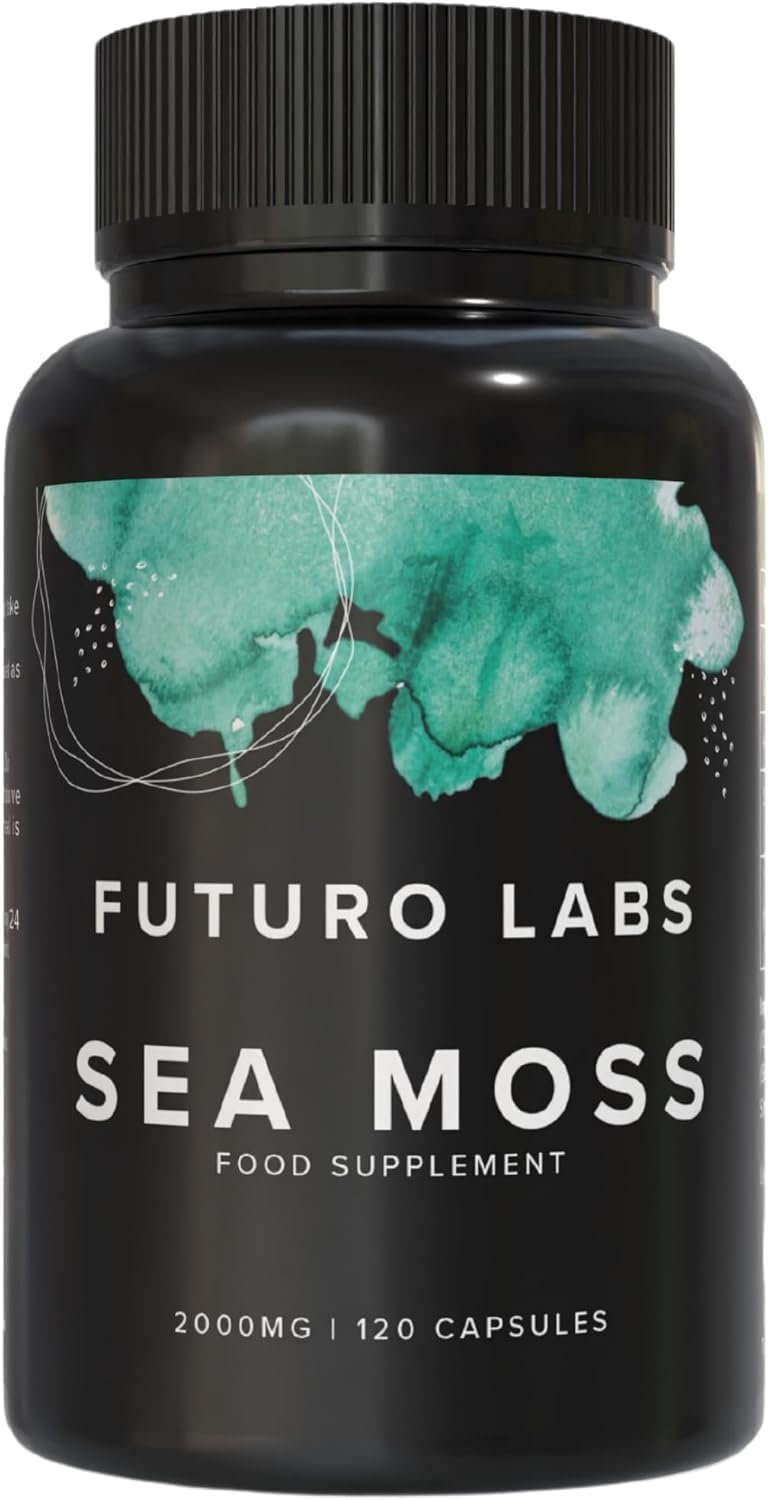
Futuro Labs Sea Moss
£9.99 for 60-day supply (120 capsules) · under 17p per day
Pros
- 2000mg raw sea moss equivalent per serving (15:1 extract)
- Wildcrafted North Atlantic Chondrus crispus — named species and origin
- Independently lab tested — heavy metals and microbiology
- Single-ingredient vegan capsules, UK GMP made
- 60-day supply £9.99 — under 17p/day
Cons
- Iodine content varies by harvest — not for precise-dose needs
- Young brand next to high-street names
Available from: Amazon UK — £9.99
The sort, the stack question, and the standing rules
Choosing between them is really choosing purchase types: buy sea moss if you want dietary support with regulated sentences behind it — a measured iodine contribution judged over 8-12 weeks (the clock), suited especially to the fish-free constituency (that gap), at 17p tested; buy shilajit if the tradition-plus-hypothesis purchase appeals knowingly — with independent testing demanded before any resin touches your routine, and expectations sized to early-stage evidence. Both together: no documented interaction, but stagger the starts if attribution matters, and each product's own rules ride along — sea moss's iodine architecture (one product, label dose, the gates: thyroid conditions, medication, pregnancy → professional first — the routing) and shilajit's testing bar. The closing sort for the feed-driven searcher: the algorithm put these side by side; the shelves never did — decide which shelf you're shopping, and both products get easier to judge honestly.
Frequently asked questions
Sea moss or shilajit — which should I take?
Different shelves entirely: sea moss is a whole-food mineral contributor with iodine's authorised claim set as its legitimate territory; shilajit is a Himalayan resin from Ayurvedic tradition sold on fulvic-acid and testosterone stories, with a thin modern trial file and no authorised claims. One is nutrition with regulated sentences; the other is tradition with early-stage research — the choice is which kind of purchase you're making.
Does shilajit have real evidence?
Early and thin: small trials on testosterone and fatigue markers exist (limited scale, mixed independence), the fulvic-acid mechanism talk outruns demonstration, and quality is the category's real story — resin purity varies wildly and heavy-metal contamination in unverified shilajit is a documented, recurring problem. Buyers going that way should demand testing even harder than sea moss buyers.
Can you take sea moss and shilajit together?
No interaction is documented between them, and the honest structural note stands: they answer different questions, so stacking them is two separate experiments — start one at a time if you want to know what did what, keep sea moss's iodine rules regardless, and hold shilajit to the testing standard its contamination record demands.
Shopping the nutrition shelf?
Futuro Labs Sea Moss — regulated territory, tested. £9.99.
Shop on Amazon UK