Setria: A Logo That Assures Supply and Settles Nothing
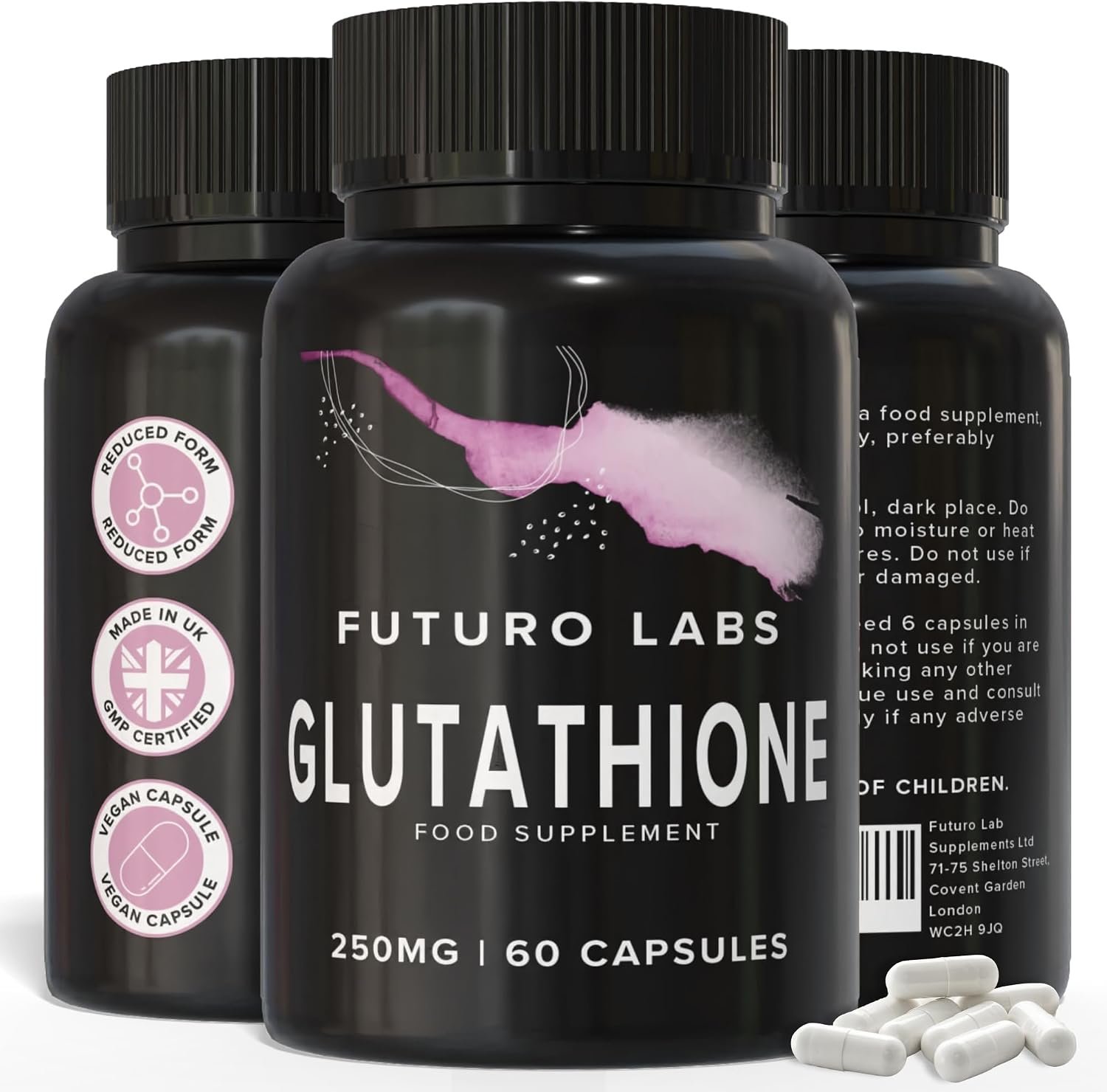
The disclosure owed — Futuro Labs uses its own fermentation-derived GSH on its own paperwork — and a framework applied to every trademark, ours hardest.
At a glance
- What it is: a trademarked, fermentation-derived reduced GSH from a named supplier
- Why it's famous: the material behind key oral-GSH research, stores work included
- What it changes: supply-chain assurance — not chemistry, not the buyer's checks
- This site's position: judge every label by form, dose and testing — logos included
Branded ingredients, decoded — then this one specifically
The supplement industry runs a two-layer market most buyers never see: ingredient manufacturers who produce standardised raw materials, and finished brands who buy, encapsulate and label them — with 'branded ingredients' being the named, trademarked materials of the first layer that the second layer can license and advertise (a ® on an ingredients line means a specific supplier's specific material, with its own documentation trail). Setria® is this category's most famous resident: a fermentation-derived reduced glutathione from a major Japanese manufacturer, produced to a standardised specification — and its fame has a legitimate source this page states plainly: it's the material used in key oral-glutathione research, including stores-endpoint work of the kind this whole category leans on (the evidence file, its context), which makes 'as studied' framing around the brand more grounded than most ingredient marketing ever gets.
What the logo does and doesn't change
The honest sort a branded-ingredient page owes: what Setria genuinely offers — supply-chain assurance: a named manufacturer, a standardised specification, documentation a finished brand can inherit, and the research association above — real assets, particularly for buyers who weight provenance heavily; what it doesn't change — the chemistry (reduced glutathione is the same molecule whatever the trademark — the form test's whole point) and, crucially, the buyer's checks: a branded logo above a token dose or inside a form-silent 'complex' still fails this site's framework, while an unbranded label stating its form, delivering real milligrams and showing retrievable testing passes it — because the framework was always about the finished bottle in your hand, and no upstream trademark audits the encapsulator's dose honesty or the batch in front of you (the five questions, what the certificates mean).
Futuro Labs Glutathione
£22.99 for 30-day supply · 77p per day
Pros
- 500mg reduced glutathione (GSH) per serving — the active form
- UK manufactured under GMP certification
- Single-ingredient, vegan, no fillers
- Independently lab tested — microbiology and heavy metals
- ~77p per day vs £1.20-1.80/day for liposomal formats
Cons
- Capsule format — no liposomal delivery system
- Newer brand versus heritage names like Solgar
Available from: Amazon UK — £22.99
Where Futuro Labs stands — stated, not spun
The disclosure a page like this owes its reader: Futuro Labs Glutathione does not use Setria — it uses its own fermentation-derived reduced glutathione (how the production route works), and it stands on exactly the verification this site tells you to demand from any label, branded or not: 500mg reduced glutathione stated on the ingredients line, single-ingredient vegan formulation, independent heavy-metals and microbiology testing on every batch, £22.99/30 days at ~77p (the record, limitations printed). The buyer's honest router: provenance-weighted shoppers who want the researched material's trademark can seek Setria-licensed products and should still run the full framework on the finished bottle (dose, formula, testing, per-day maths); framework-first shoppers judge every label the same way regardless of logo — which is this site's standing position, applied to its own product hardest. Constants as ever: zero authorised claims for any trademark (the spine), the 3-6 month clock (the timeline), gates always — pregnancy/breastfeeding → medical advice; prescription medication → pharmacist minute (the routing). Setria, explained without spin: a genuinely credentialed ingredient brand, a logo that assures supply and settles nothing — and a framework that outranks every trademark, ours included.
Frequently asked questions
What is Setria glutathione?
A branded ingredient: Setria® is a trademarked, fermentation-derived reduced glutathione from a major Japanese manufacturer — notable because it's the specific material used in key oral-glutathione research, including stores-endpoint work this category leans on. 'Branded ingredient' means a named supplier's standardised material that finished brands can license and print on their labels.
Is Setria better than other glutathione?
Chemically, reduced glutathione is reduced glutathione — the branded version's real assets are supply-chain ones: standardisation, documentation, and the research association. What it doesn't change: the form test, the dose question, and the finished product's own testing still decide any bottle's quality — a branded logo on a token dose fails; an unbranded label with stated form, real milligrams and retrievable certificates passes.
Does Futuro Labs use Setria?
No — Futuro Labs Glutathione uses its own fermentation-derived reduced GSH, standing on its own verification: 500mg stated on the ingredients line, single-ingredient formulation, and independent heavy-metals and microbiology testing on every batch. Same molecule, same form test, own paperwork — which is exactly how this site says every label should be judged, logos included.