Sea Moss + Black Seed Oil: Two Purchases, One Shelf Photo
The algorithm's habit hardened into an assumption; the audit separates it back into independent purchases. The files compared fairly, the taste guarantee, and the merged careful lists.
At a glance
- The pairing's origin: feed synergy, not shared mechanism — a trending couple
- No interaction concerns: combinable — but no evidence the combo outperforms either
- Two different files: regulated iodine territory vs tradition-plus-early-trials
- The rules ride: each product's own label, gates and staggered starts
How this couple formed — and what it isn't
Sea moss and black seed oil became a pairing the way modern supplement couples do: adjacent virality — both surged through the same wellness feeds, both wear ancient-wisdom framing, and the algorithm's habit of showing them together hardened into the assumption they belong together. The honest structural read: no shared mechanism links them (a mineral-contributing seaweed and a seed oil sold on thymoquinone have no biochemical conversation), no interaction concern separates them (combining is unproblematic at label doses), and no evidence anywhere shows the pair outperforming either alone — 'synergy' in this couple is a caption, not a finding. Which leaves two independent purchases sharing a shelf photo, each deserving its own audit (the three-layer standard applied twice, separately).
The two files, read side by side
Sea moss's file this cluster has already built: whole-food iodine contribution inside a regulated claim territory — thyroid, metabolism, cognition, nervous system, skin — with the frame, the variability truth and the gates attached (the map, the frame). Black seed oil's, read at the same standards: Nigella sativa carries genuinely deep traditional use across multiple cultures and a modern research file of small trials scattered across unrelated endpoints — metabolic markers here, allergy symptoms there — with thymoquinone as the mechanism headline running ahead of demonstration, no authorised UK claims anywhere, and the practical file's real story being quality variance: cold-pressed oil grades differ widely and the famous acrid taste is the honest one guarantee. The fair one-liner mirroring the shilajit page: nutrition-with-regulated-sentences beside tradition-plus-hypothesis — different purchase types, both legitimate when knowing.
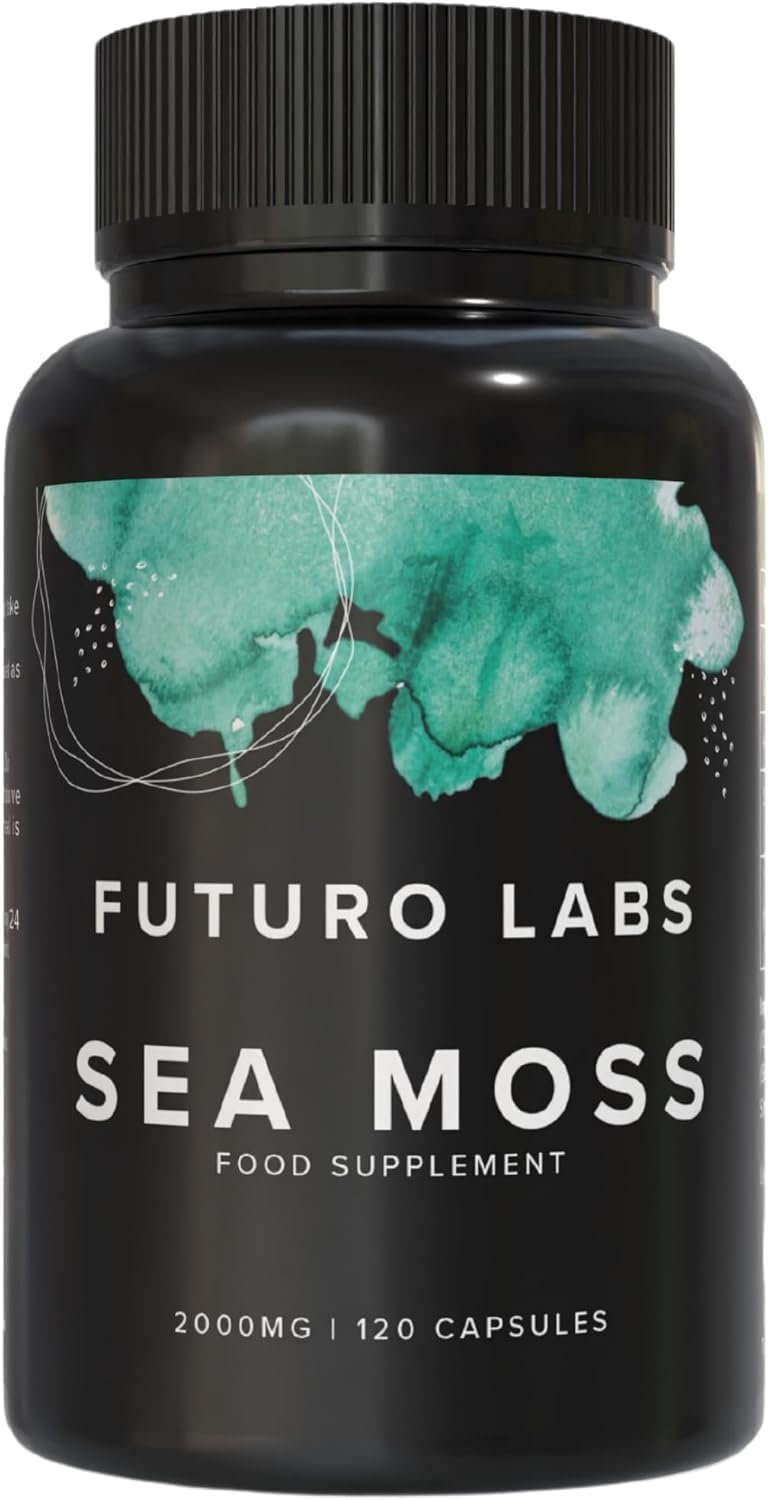
Futuro Labs Sea Moss
£9.99 for 60-day supply (120 capsules) · under 17p per day
Pros
- 2000mg raw sea moss equivalent per serving (15:1 extract)
- Wildcrafted North Atlantic Chondrus crispus — named species and origin
- Independently lab tested — heavy metals and microbiology
- Single-ingredient vegan capsules, UK GMP made
- 60-day supply £9.99 — under 17p/day
Cons
- Iodine content varies by harvest — not for precise-dose needs
- Young brand next to high-street names
Available from: Amazon UK — £9.99
Running both, if you choose to — the practical page
For the reader combining anyway (many are), the mechanics: each product by its own label — sea moss's one-serving-with-food architecture wholly unchanged, iodine rules included (one seaweed product, never stacked — the arithmetic), black seed oil at its product's stated dose with food blunting the taste; timing is indifferent (no absorption conversation exists between them); staggered starts two weeks apart keep attribution readable if either is an experiment (the clock logic); and the careful lists merge rather than cancel — pregnancy routes both through the midwife (black seed carries its own pregnancy cautions in traditional and modern sources), medication lists take both to the pharmacist minute, and sea moss's thyroid gates stand at full height regardless of company (the routing). The closing sort for the feed-born search: buy either on its own file, both if both persuade — and let the couple's only real synergy be that each made you read the other's label properly.
Frequently asked questions
Why do people take sea moss and black seed oil together?
Social-feed synergy: the pairing trends as a wellness power couple — sea moss carrying the mineral story, black seed oil (Nigella sativa) carrying thymoquinone lore around immunity and inflammation. The honest audit: no interaction concerns between them, no evidence the combination outperforms either alone, and two very different files — sea moss's regulated iodine territory versus black seed's traditional-use-plus-early-trials profile with no authorised claims.
Does black seed oil have real evidence?
Early and scattered: Nigella sativa carries deep traditional use and a modern file of small trials across unrelated endpoints (metabolic markers, allergy symptoms, others) — interesting signals, limited scale and replication, thymoquinone mechanism talk ahead of demonstration, and quality variance across cold-pressed oils. A legitimate knowing purchase at tradition-plus-hypothesis pricing; not a settled one.
How should the two be taken if combining?
Each by its own label, no special protocol: sea moss's one-serving-with-food architecture unchanged (iodine rules and gates included), black seed oil per its product's dose with the taste warning the oil famously earns. Stagger starts by a couple of weeks if you want to know what did what — and pregnancy plus medication lists route both through the professional conversation first.
The nutrition half, alone or paired?
Futuro Labs Sea Moss — its own file, 17p. £9.99.
Shop on Amazon UK