Students: Quiet Infrastructure, Not a Study Drug
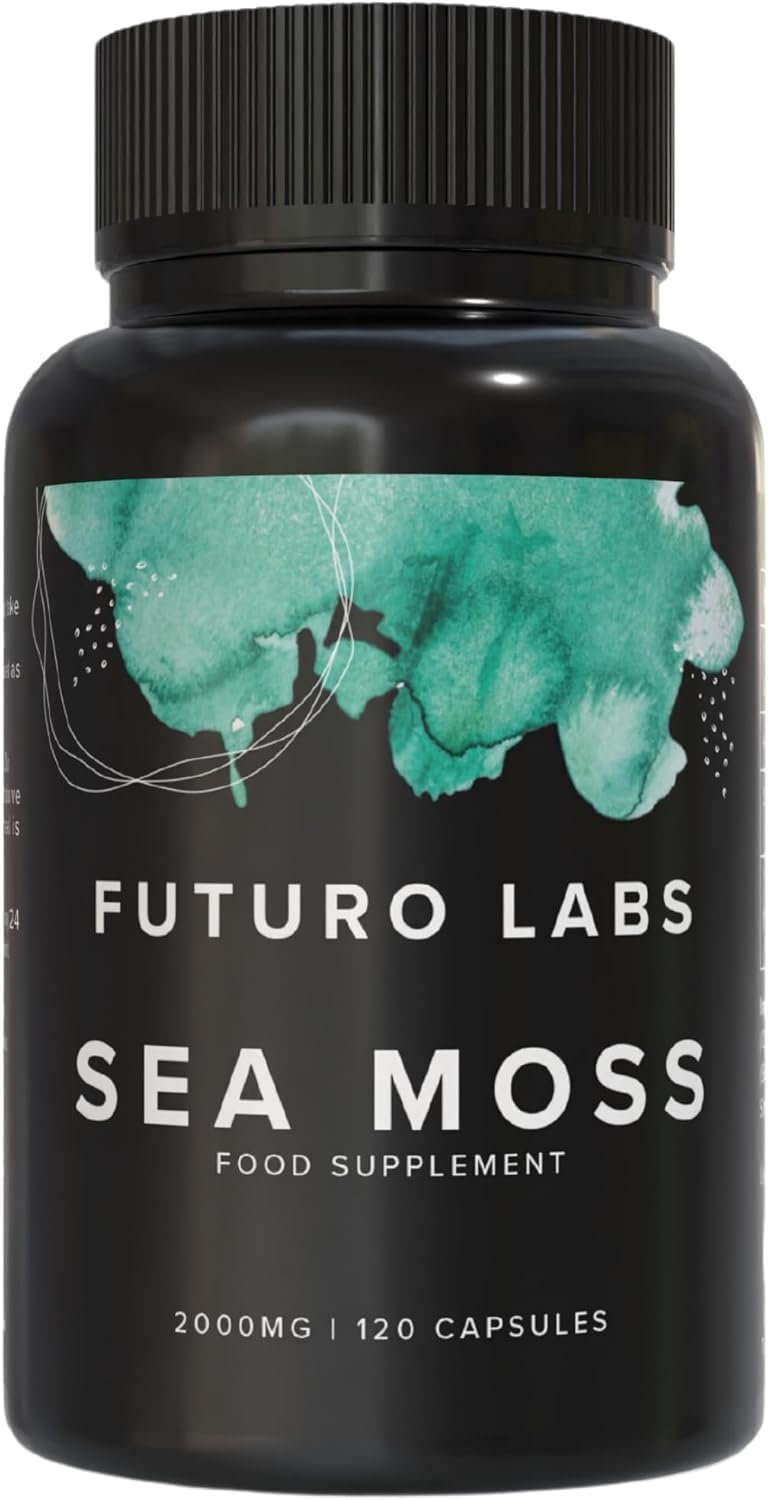
A genuine constituency once the hack framing is stripped — the floor claim kept precise, the hierarchy printed at full size, and term-length value with verification included rather than stripped.
At a glance
- The honest fit: student diets often under-supply iodine — a real gap at a student price (17p)
- The refusal: not a study drug — no acute focus effect exists
- The hierarchy: sleep · food · movement — then the mineral line, quietly behind
- The vegan flag: B12 is its own non-negotiable line — no seaweed writes on it
Why students are genuinely this product's constituency
Strip the study-hack framing and a real fit remains: the classic student diet — budget-driven, fish-light, often dairy-light, heavy on whatever's cheap and fast — is precisely the pattern that under-runs the UK iodine frame (the supply map: fish first, dairy second, little else), and iodine holds the authorised cognitive line — contribution to normal cognitive function — that the focus page keeps precise: a floor claim about maintained function under adequate supply, not a ceiling claim about enhancement. So the honest pitch writes itself small: a student whose weeks genuinely lack iodine carriers has a real gap, a daily serving addresses it for less than a fifth of the cheapest coffee on campus, and the felt result over 8-12 weeks is adequacy's usual quiet (the clock) — not sharper, just not silently under-supplied.
The refusals — study-drug framing and exam-season truth
What this page won't sell a stressed reader: no acute focus effect exists — the capsule does nothing to an essay deadline, 'natural nootropic' listings borrowing the cognitive claim for enhancement promises have stretched maintenance grammar past its wording (the layer sort), and students shopping actual focus support belong on the dedicated nootropic shelf with its own honest rules rather than a seaweed's (that page routes it properly). And the exam-season hierarchy printed at full size because it's the highest-value paragraph here: sleep beats every supplement ever sold to students — memory consolidation happens there, all-nighters cost more than any capsule returns — with regular food and daylight movement close behind; the mineral line is quiet infrastructure underneath that stack, never a substitute for any layer of it. One more flag this demographic specifically needs: vegan and plant-based students, the B12 firewall is yours — sea moss covers iodine and never B12; that line needs its own dedicated supplement, no exceptions (the firewall page).
Futuro Labs Sea Moss
£9.99 for 60-day supply (120 capsules) · under 17p per day
Pros
- 2000mg raw sea moss equivalent per serving (15:1 extract)
- Wildcrafted North Atlantic Chondrus crispus — named species and origin
- Independently lab tested — heavy metals and microbiology
- Single-ingredient vegan capsules, UK GMP made
- 60-day supply £9.99 — under 17p/day
Cons
- Iodine content varies by harvest — not for precise-dose needs
- Young brand next to high-street names
Available from: Amazon UK — £9.99
The budget-proof protocol — built for chaotic weeks
The routine engineered for student reality: one Futuro Labs Sea Moss serving with breakfast — whatever and whenever breakfast is; the anchor is the kettle or the first coffee, not a clock (attach, don't schedule, the anchor's page) — with the forgiveness clause chaotic weeks need: a missed morning is nothing on a nutrient clock, never double up, just resume (the no-catch-up architecture). The economics that make it viable: £9.99 covers a genuine 60 days — under 17p daily, term-length value from two bottles a term — with the verification student budgets can't usually buy included rather than stripped: wildcrafted North Atlantic Chondrus crispus named, independent heavy-metals and microbiology testing shown, 2000mg raw equivalent per serving via 15:1 extract (why the honest floor matters most on a budget, the record). Gates unchanged by a student card: thyroid conditions, thyroid medication, pregnancy → GP, pharmacist or midwife first (the routing) — and the honest close: the degree runs on sleep, food and showing up; the capsule just keeps one quiet line covered underneath.
Frequently asked questions
Is sea moss good for students?
Honestly framed: iodine contributes to normal cognitive function — the floor-not-ceiling claim this cluster keeps precise — so a student whose cheap, fish-light diet under-supplies iodine has a genuine gap a daily serving addresses at 17p/day. What it isn't: a study drug, a focus enhancer, or a substitute for the boring trio (sleep, food, movement) that dominates academic performance.
Will sea moss help me focus for exams?
Not the way the question hopes: no acute focus effect exists — the cognitive claim is about maintaining normal function through adequate supply, felt (if at all) as the absence of a deficit over weeks, not a sharpened exam morning. Exam-season truth: sleep beats every supplement ever sold to students, and an all-nighter costs more than any capsule returns.
What's the best way for a student to take it?
The budget-proof pattern: one serving with breakfast (whatever breakfast is), anchored to the kettle or the first coffee, £9.99 covering 60 days — under 17p daily, cheaper than almost anything else in a student basket. Vegan students: note the B12 firewall — sea moss covers iodine, never B12; that line needs its own dedicated supplement.