Over 50: Three Minutes of Sorting, Then the Standard Strategy
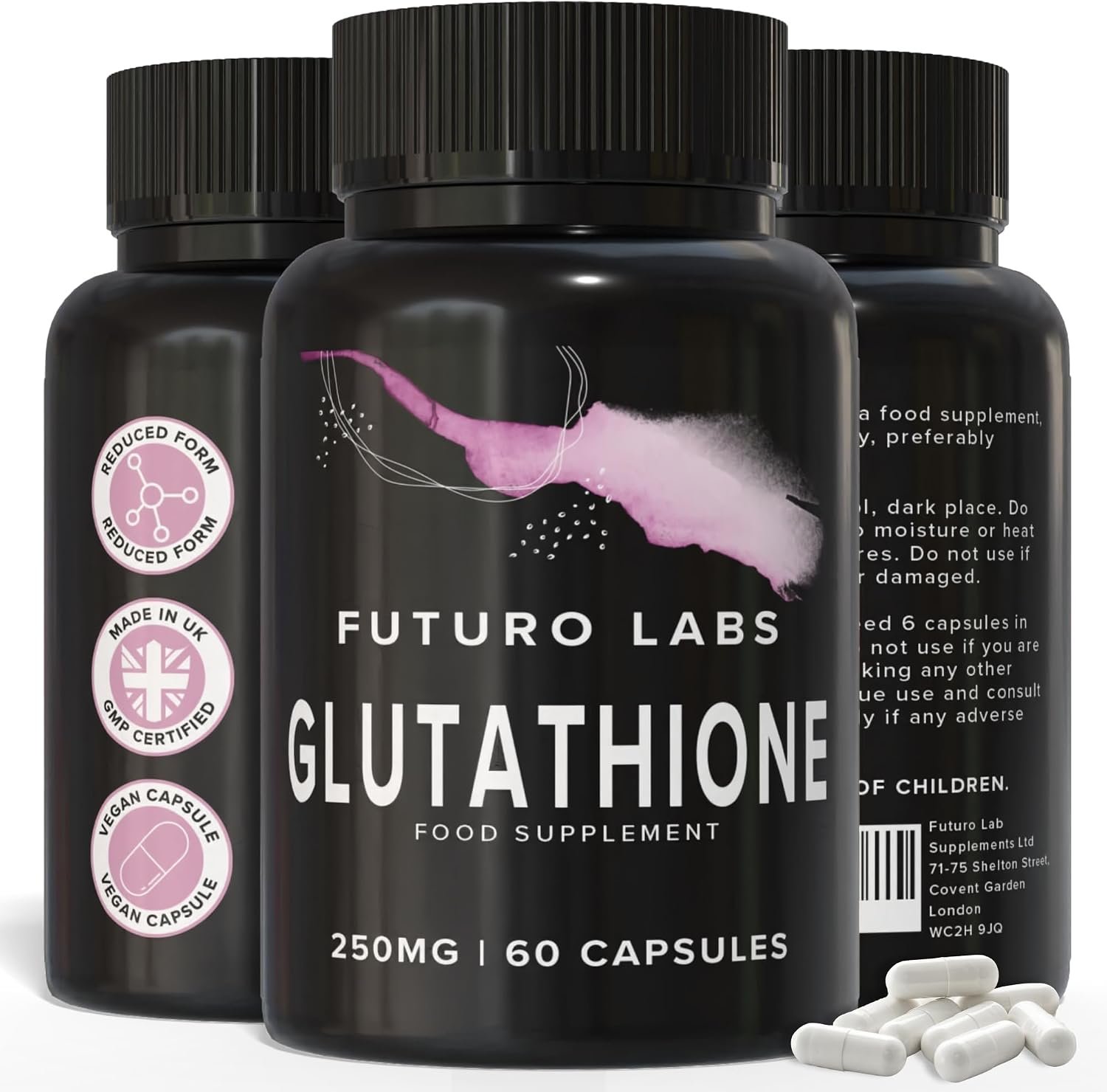
A page that reads its reader — lengthening lists, specialist-care realities, and a single-ingredient design built for exactly this decade's pharmacist conversation.
At a glance
- The case unchanged: documented decline, matched strategy, zero anti-ageing claims
- The gate promoted: medication — the pharmacist minute as the page's centre, not its footer
- The three-minute pre-check: meds → pharmacist · specialist care → team · expectations → read
- Oncology in bold, always: team-only, never self-directed
What changes at 50 — and what doesn't
The evidence case carries over from the over-40s page whole: age-related glutathione decline is documented and gradual, the stores-repletion strategy is its measured counterweight (the trial), repletion is not reversal, and no anti-ageing promise survives contact with this cluster. What changes at 50 is not the biology's story but the reader's context: prescription lists lengthen through the decade — statins, blood-pressure treatments, thyroid medication and companions become ordinary — and a supplement page that treats the medication gate as fine print for this audience has misread its reader. So this page promotes the gate to the centre: the pharmacist minute is the first instruction, not the footer — before the first capsule, your actual list and the product's name (reduced glutathione, 500mg daily) in front of your actual pharmacist, with the renewal rule attached: every list change reopens the question (that page's full logic, including why thin files get procedural answers).
The three-minute pre-check — this page's whole protocol
Before the standard routine, three minutes of sorting: minute one, medication — any prescription at all routes through the pharmacist check above; the single-ingredient label is built to keep that conversation genuinely short — one named molecule, nothing bundled to itemise (why that design matters most for exactly this reader); minute two, specialist care — anyone under active specialist management routes the question to that team first, and one context stays in bold on every page it touches: anyone undergoing chemotherapy or related oncology treatment treats antioxidant supplementation as an oncology-team conversation only, never self-directed — this site would rather lose every sale than blur that line; minute three, expectations — the honest read: a quiet stores strategy on a 3-6 month clock (the timeline), judged at a 12-week review (the review), with symptoms of any kind belonging to a GP rather than an aisle (that routing). Pass all three, and the protocol is everyone's protocol.
Futuro Labs Glutathione
£22.99 for 30-day supply · 77p per day
Pros
- 500mg reduced glutathione (GSH) per serving — the active form
- UK manufactured under GMP certification
- Single-ingredient, vegan, no fillers
- Independently lab tested — microbiology and heavy metals
- ~77p per day vs £1.20-1.80/day for liposomal formats
Cons
- Capsule format — no liposomal delivery system
- Newer brand versus heritage names like Solgar
Available from: Amazon UK — £22.99
The standard protocol — unchanged by the birthday
Cleared through the pre-check, nothing else ages: Futuro Labs Glutathione at 500mg reduced glutathione daily with food (the with-food default), anchored to the most reliable meal (whichever anchor you'll never skip), single-ingredient vegan, independently tested for heavy metals and microbiology, £22.99/30 days at ~77p — a price a fixed-income line item can sustain across the full judging window, which is its own quiet virtue at this shelf's premium end (the record, the floor's economics). The hierarchy above the bottle, compounding as ever: not smoking, alcohol inside the guidance shape, protected sleep, and protein sufficiency — the input most worth naming twice for this decade, since intake commonly drifts down exactly as its value rises (the free levers). Gates restated once more because this page is their home: pregnancy/breastfeeding → medical advice; prescription medication → pharmacist minute, renewed on every change; oncology → team only, in bold. Over 50, answered: the same honest strategy — behind three minutes of sorting this decade has genuinely earned.
Frequently asked questions
Should over-50s take glutathione?
The same eyes-open case as the over-40s page — documented age-related decline, matched stores strategy, zero anti-ageing claims — with one gate promoted to the centre: medication. Prescription lists lengthen through the 50s, and this cluster's rule scales accordingly: the pharmacist minute before starting, renewed on every list change, is the page's first instruction rather than its footer.
Does glutathione interact with common midlife medications?
The documented oral-GSH interaction file is thin — and thin is not absent, which is precisely why the answer is procedural rather than a list: bring your actual medications to your actual pharmacist, name the product (reduced glutathione, 500mg daily), and ask directly. Statins, blood-pressure treatments, thyroid medication and the decade's other regulars each deserve that real check, not a webpage's generic all-clear.
What's the three-minute pre-check before starting?
One: any prescription medication → pharmacist minute first, product named. Two: any active specialist care (cardiology, oncology — the latter in bold: team-only, always) → that team first. Three: the honest expectations read — quiet strategy, 3-6 month clock, 12-week review. Pass all three and the standard protocol applies unchanged.